What Does Rm Do In Cmd? Complete Guide Command Lux To Delete Files And Directories
It is similar to the “del” command in windows, but with some key differences. This blog post aims to provide a comprehensive guide to the `rm`. The rm command permanently deletes files and directories from the linux filesystem without moving them to any trash or recovery area
rm Command in Linux: Complete Guide to Delete Files and Directories
Once deleted, the data is typically unrecoverable. It offers a powerful and flexible way to delete unwanted data, but it also comes with significant risks if not used correctly The rm command is commonly used for removing temporary files, cleaning up disk space, and deleting folders as part of workflows or scripts
It provides a quick way to get rid of unneeded files.
If the response is not affirmative, the entire command is aborted Below is a comprehensive list of command prompt commands, often referred to as cmd commands (sometimes incorrectly as command prompt codes), available from the command prompt in. Complete rm command cheat sheet
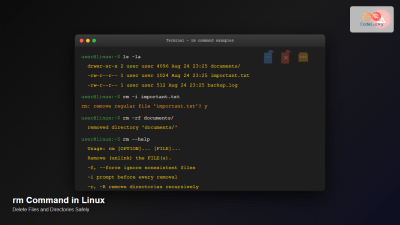
rm Command in Linux: Complete Guide to Delete Files and Directories
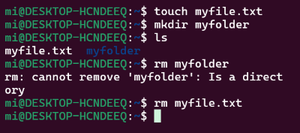
Cmd Rm Rf: Rm Rf Linux Command – CREM
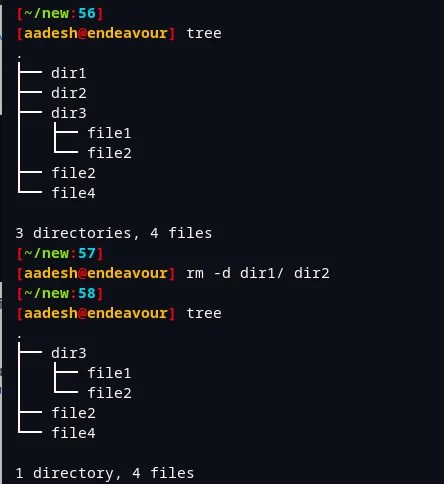
The complete guide to rm command on Linux - LinuxForDevices
rm Command in Linux: Complete Guide to Delete Files and Directories

'rm' Linux Command: Your Guide to File Deletion
Mastering the rm Command in Linux with Examples - DevopsRoles.com

The complete guide to rm command on Linux - LinuxForDevices
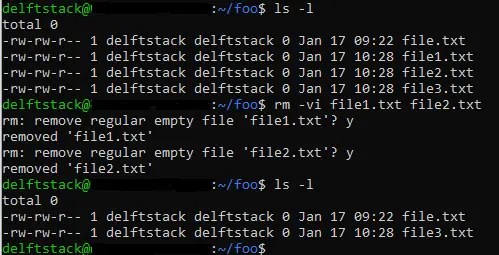
How to Use the rm Command to Remove Files in Linux | Delft Stack

How To Install RAM in PC for Faster and Smoother Performance
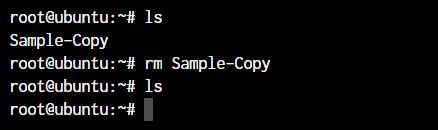
Top 50+ Linux Commands You MUST Know | DigitalOcean